
ERP Reimagined: One Platform, Total Connectivity.
Sales, warehouse, logistics and finance connected end to end — one system, no connectors.
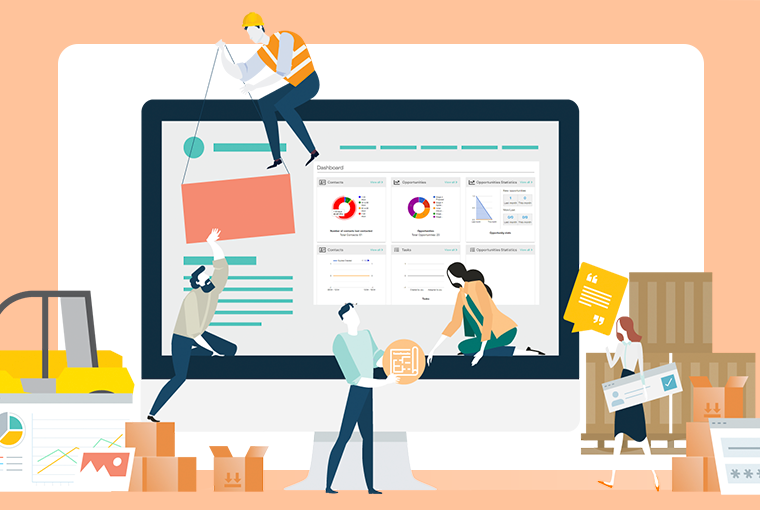

Sales
- Sync online stores (with Shopify)
- Sell only what you have in stock (options to order more or to schedule production)
- Auto update stock movements
- Complete CRM management
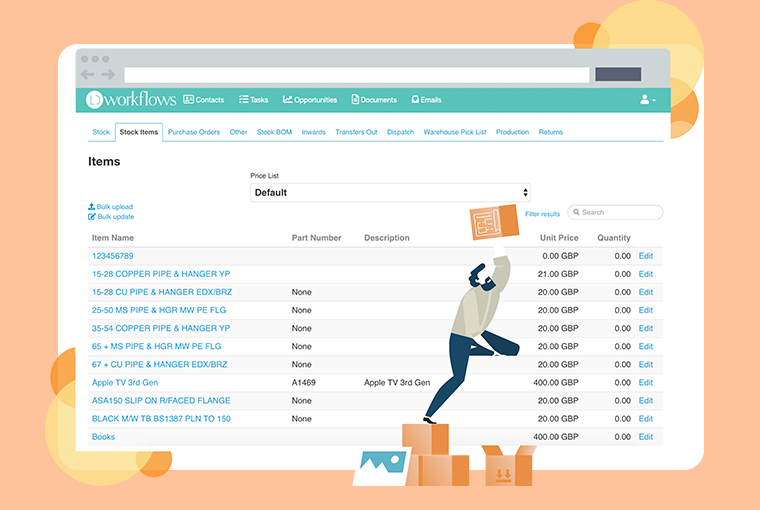
Warehouse & Logistics
- Order products
- Receive products into your warehouse
- Move to the optimal location
- Unlimited warehouses
- Warehouse movements / transfers
- Easy picking of orders using a mobile phone (option to use paper)
- Despatch (print Packing slips / Shipping notes / Invoices / Labels)
- Sync with freight and shipping providers (Example: Royal Mail UK, Parcel Force)
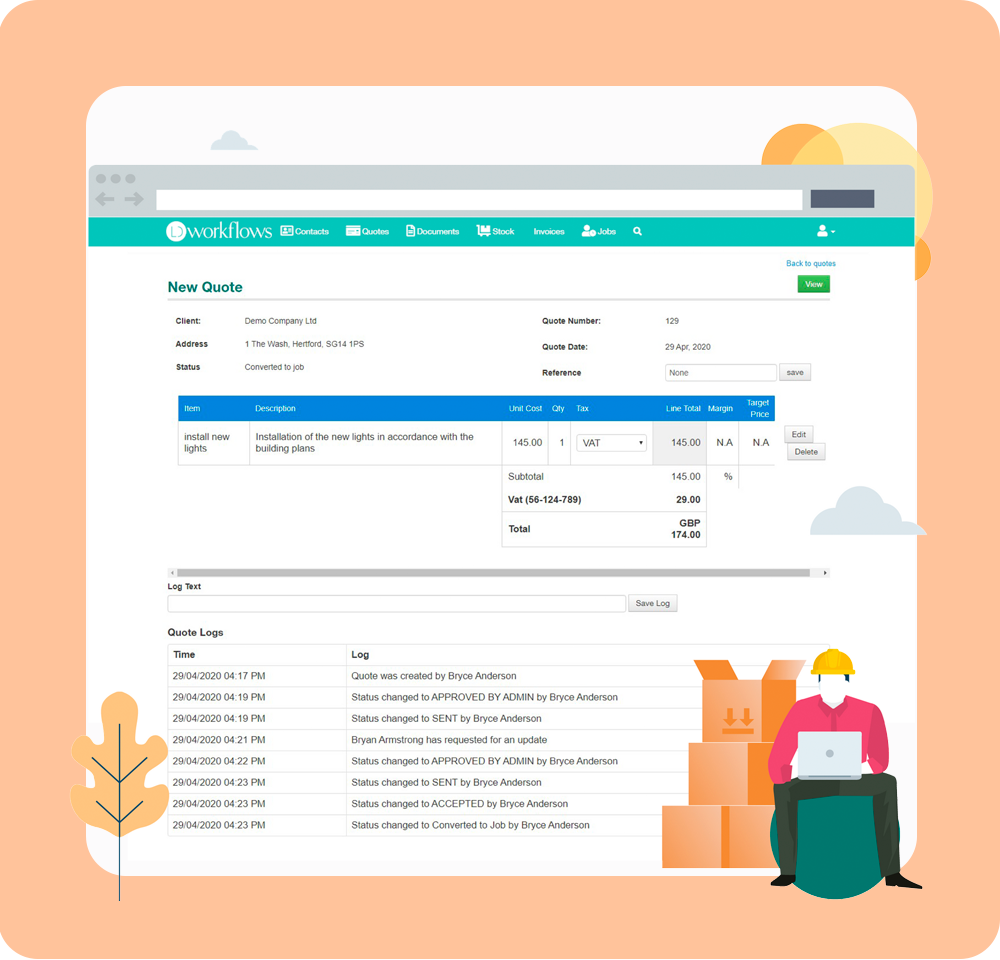
Accounting & Finance
- Quotes
- Invoices
- Easy to use reporting
- Automatically update and sync with Quickbooks
- Automatically update and sync with Xero
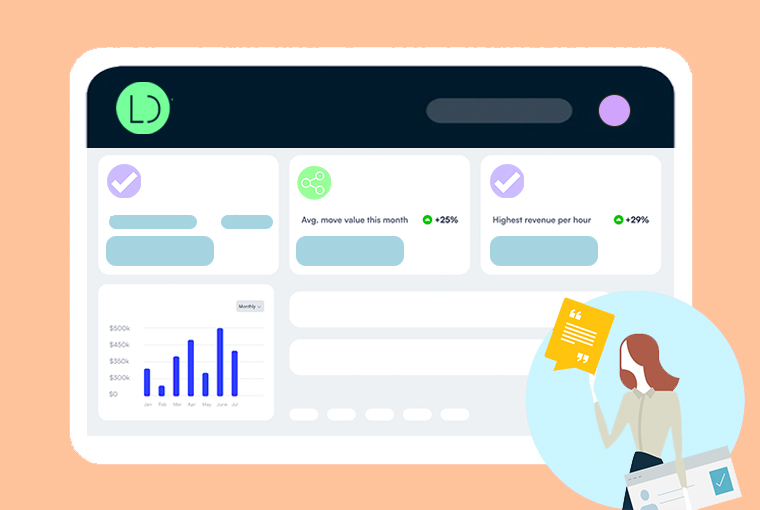
Emails & Team Communications
- Login using Microsoft login and automatically see your Outlook emails
- Login using Google login and automatically see your Gmail emails
- One click to copy emails into your customer logs so all of your team are updated.
- Using Microsoft Teams for communications
- Using Google Meet and Google Chat
Key benefits of using ERP (Enterprise Resource Planning) systems

1. Improved Production Planning and Scheduling
ERP systems provide real-time information on inventory levels, production processes, and demand forecasts. This helps manufacturing companies to optimise their production schedules, reduce lead times, and minimise inventory holding costs.

2. Enhanced Supply Chain Management
ERP systems allow manufacturers to manage their entire supply chain from a single platform. This includes managing suppliers, monitoring the status of raw materials, and tracking shipments. This helps manufacturers to minimise the risk of stockouts and to ensure timely delivery of products to customers.

3. Increased Efficiency
ERP systems can automate many manual processes such as data entry and order processing. This helps to reduce the workload on employees, minimise errors, and speed up the processing time for orders.

4. Improved Quality Control
ERP systems provide real-time data on production processes, which can help manufacturers to identify and address quality control issues before they become a problem. This can help manufacturers to reduce the risk of product recalls and to improve customer satisfaction.

5. Better Financial Management
ERP systems provide a complete view of a manufacturer's financial data, including cash flow, expenses, and revenue. This helps manufacturers to manage their finances more effectively, optimise their cash flow, and make informed decisions based on accurate financial data.